
Think about the last time you bought a high-ticket software or enrolled in a premium course. Did you click a random pop-up ad and immediately hand over your credit card?
Probably not.
In the modern digital economy, and especially in the Indian market, bharosa (trust) is the ultimate currency. Before a consumer parts with their money, they need to know you are the undisputed expert in your field.
No company understood this earlier, or executed it better, than HubSpot.
HubSpot didn't just build a CRM; they completely re-engineered how software and services are sold on the internet. They coined the term "Inbound Marketing," proving that if you give away enough valuable education for free, you never have to "sell" aggressively again.
Here is a deep dive into how HubSpot built an impenetrable moat by owning the educational funnel, and how you can replicate this exact system for your own brand.
The Problem with the Old Way of Selling
Before HubSpot, B2B marketing was synonymous with interruption: cold calling, massive email blasts, and expensive trade shows. It was the digital equivalent of a loud street vendor shouting at everyone who walked by.
HubSpot realized that buyers were getting smarter. People were using search engines to solve their own problems. Instead of interrupting the buyer, HubSpot decided to become the answer the buyer was searching for.
The Indian Parallel: The "Varsity" Effect
To understand how powerful this is, look at the Indian financial landscape. For decades, traditional brokers relied on aggressive sales agents to push demat accounts.
Then came Zerodha. Instead of just running ads, Zerodha built Varsity—an entirely free, incredibly comprehensive educational hub that taught Indians the A to Z of the stock market. They didn't push their trading platform; they taught people how to trade.
By the time a user finished reading about candlestick patterns on Varsity, which broker do you think they trusted enough to open an account with? Zerodha, naturally.
This is exactly what HubSpot did for marketing. They became the teacher, which made them the default vendor.
The HubSpot Playbook: Deconstructing the Funnel
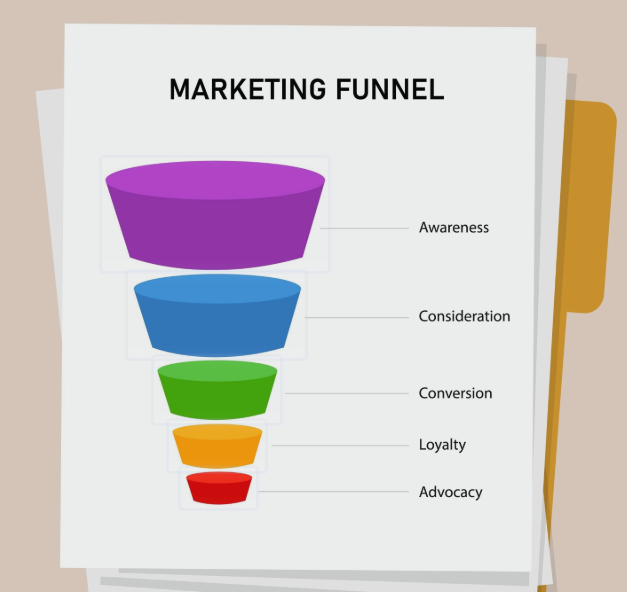
HubSpot’s educational funnel is a masterclass in giving value at every stage of the customer journey. Here is how they built it:
1. Top of Funnel (TOFU): Absolute SEO Domination
If you Google any question related to digital marketing—from "how to write a meta description" to "email marketing metrics"—HubSpot is almost always on the first page.
They built a massive library of high-quality blog posts answering every conceivable question their target audience had. They didn't write about their software; they wrote about their customers' pain points.
- The Lesson: Stop writing about your product. Start writing about the problems your product solves.
2. Middle of Funnel (MOFU): The "Website Grader"
Traffic is useless if you can't capture the lead. HubSpot needed a way to get email addresses without asking people to "Subscribe to our Newsletter" (a phrase that converts terribly).
They built a free tool called the Website Grader. Users simply entered their URL, and the tool generated a free report grading the site on SEO, mobile readiness, and speed. In exchange for this massive, personalized value, the user provided their email address.
- The Lesson: Offer a highly actionable "Lead Magnet." Whether it is a free audit, a template, or a mini-course, you must offer an irresistible exchange for contact information.
3. Bottom of Funnel (BOFU): HubSpot Academy
This is HubSpot’s crown jewel. They created HubSpot Academy, offering free, high-quality video courses and certifications in content marketing, sales, and inbound strategy.
By certifying marketers, HubSpot effectively trained an entire generation of professionals to use their specific methodologies. When those marketers got hired by companies, they naturally advocated for purchasing HubSpot software because it was the ecosystem they were trained in.
- The Lesson: Education creates lock-in. When you teach someone how to succeed using your frameworks, they become lifelong brand advocates.
How to Apply This to Your Ed-Tech or Digital Brand
If you are running an Ed-Tech platform or an agency, you are sitting on a goldmine. Your entire business model is already based on knowledge transfer.
To replicate the HubSpot effect, adopt this golden rule: Give away the "What" and the "Why" for free. Sell the "How."
- The Free Layer: Publish detailed blogs, YouTube videos, and LinkedIn posts explaining what strategies work in 2026 and why they matter. Be the loudest, most helpful voice in the room.
- The Capture Layer: Offer a high-value resource (like an ultimate checklist or a free beginner's masterclass) to bring that audience into your email ecosystem.
- The Paid Layer: Once you have educated them and proven your expertise, pitch your premium courses or services as the fastest, most efficient way to implement the "How."
When you own the educational funnel, you don't compete on price. You compete on trust. And in a crowded digital landscape, the teacher always wins.